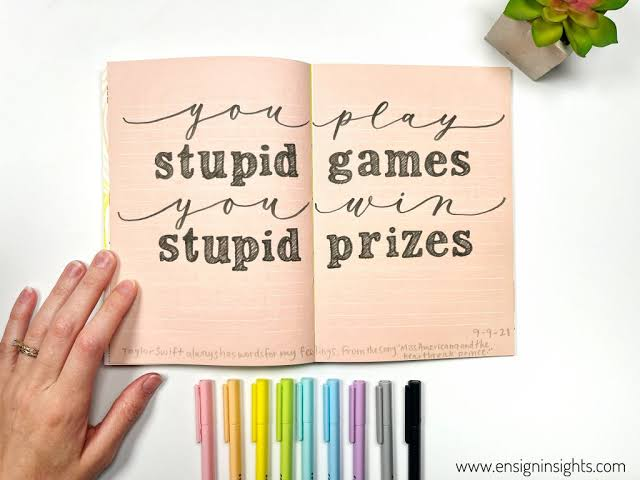
Hand lettering is a fun way to turn simple words into creative artwork. Practicing rounded bubble letters can help beginners feel more comfortable because the soft shapes are easy to draw and decorate. You do not need perfect handwriting or expensive tools to begin. A pencil, paper, markers, and a little imagination can help you develop your own lettering style.
Start With Simple Alphabet Practice
One of the easiest hand-lettering activities is drawing the alphabet in different styles. Write each letter slowly and focus on its basic shape before adding decorative details.
You can start with uppercase letters and then practice lowercase forms. Try making letters wide, narrow, tall, short, thick, or rounded. This activity helps you understand how small changes can completely change the appearance of lettering.
Do not worry if every letter looks different at first. Regular practice helps your hand become more comfortable with curves, lines, and spacing.
Create a Page of Your Favorite Words
Choose five or ten words that make you feel happy or inspired. Words such as “dream,” “create,” “smile,” “happy,” and “believe” work well for this activity.
Write each word using a different lettering style. You can add shadows, outlines, dots, stars, hearts, or small patterns around the letters. This makes the activity more personal and allows you to experiment without following strict rules.
Creating pages like this also helps you discover which lettering styles feel most natural to you.
Practice Lettering With Short Quotes
Short quotes are perfect for building confidence because they allow you to combine different words and styles on one page. Choose a simple phrase that has personal meaning.
Write the most important word in large decorative letters and keep the supporting words smaller. This creates visual balance and teaches you how to arrange text.
You can lightly sketch the design in pencil before using a marker. Planning the layout first can reduce mistakes and make the final artwork look cleaner.
Turn Names Into Decorative Designs
Writing names is another enjoyable way to practice hand lettering. Start with your own name, then try the names of friends or family members.
Experiment with different letter sizes and shapes. Add simple decorations such as flowers, clouds, leaves, stars, or geometric patterns around the name.
You can also create personalized name cards and give them as small handmade gifts. This adds a useful purpose to your practice and can make the creative process more exciting.
Try Shadow and Outline Effects
Adding shadows is an easy way to make basic letters look more interesting. Write a word in thick letters, then draw another line slightly to the right or below each letter.
You can leave the shadow empty, fill it with patterns, or shade it with a marker. Another option is to add a thin outline around each letter.
These simple effects create depth without requiring advanced drawing skills. Practicing them also helps you understand how light, spacing, and shape affect lettering.
Make a Hand-Lettered Bookmark
Bookmarks are small projects that allow beginners to practice without feeling overwhelmed. Cut a rectangle from thick paper or cardstock and choose a short word or quote.
Draw your lettering in the center and decorate the empty spaces with small illustrations. You can use lines, dots, flowers, books, stars, or abstract shapes.
Because bookmarks are useful, completing one can give you a strong sense of achievement. You can also make several designs and compare your progress over time.
Create Alphabet Challenge Pages
An alphabet challenge can make daily practice feel like a creative game. Choose one letter each day and create several versions of it.
For example, you might draw the letter A in a bold style, a thin style, a rounded style, and a decorative style. You can also experiment with different patterns inside the letter.
After completing all 26 letters, you will have a collection of ideas that you can reuse in future projects. This activity encourages experimentation while building stronger drawing habits.
Mix Lettering With Simple Doodles
Hand lettering and doodling work naturally together. After writing a word or phrase, fill the surrounding space with simple drawings that match the message.
A word like “summer” might include suns, waves, fruit, or sunglasses. A word like “nature” could include leaves, flowers, and small trees.
You do not need advanced drawing skills. Simple shapes are often enough to make a lettering design feel complete and creative.
Design Your Own Greeting Cards
Making greeting cards gives you a practical reason to improve your lettering. Create cards for birthdays, celebrations, thank-you messages, or holidays.
Sketch the main message first and decide where each word will appear. Use larger lettering for the main phrase and smaller writing for supporting text.
Decorate the card with simple borders, patterns, or illustrations. Handmade cards allow you to practice creativity while producing something meaningful for another person.
Experiment Without Trying to Be Perfect
Creative confidence grows when you allow yourself to make mistakes. Instead of judging every line, focus on testing new ideas and enjoying the process.
Keep old practice pages instead of throwing them away. Looking back at earlier work can show how much your lettering has improved.
You can also intentionally create unusual designs by changing letter shapes, mixing styles, or using unexpected decorations. Sometimes the most interesting ideas come from experiments that did not go as planned.
Build a Personal Lettering Inspiration Page
Create one page where you collect styles, shapes, patterns, and decorative details that you enjoy. You might include thick letters, soft curves, shadows, banners, borders, and small illustrations.
Whenever you need lettering inspiration, look at the page and choose one or two ideas to include in your next design. Over time, this collection can become a useful creative reference that reflects your own taste. Keep practicing regularly, try different activities, and focus more on progress than perfection. Hand lettering becomes easier and more enjoyable when you give yourself freedom to experiment and develop a style that feels personal.