If you’ve ever marveled at the sleek curves of a spiral staircase winding through a contemporary loft or standing proudly on a deck, you’ve admired the handiwork of a metal spiral staircase fabricator. But what does that title really mean—and why does it matter when choosing a staircase for your space?
In this blog, we’ll take a closer look at the intricate process behind metal spiral stair fabrication and explore how expert craftsmanship can make the difference between a functional stair and a true architectural centerpiece.
What Is a Metal Spiral Staircase Fabricator?
A metal spiral staircase fabricator is a specialized professional or team that designs, engineers, and builds spiral staircases using steel, aluminum, wrought iron, or a combination of metals. Unlike general contractors or stair kit suppliers, fabricators craft staircases from scratch, tailoring each component to the specific requirements of a building, client, or design vision.
The Fabrication Process: From Blueprint to Installation
Each custom metal spiral staircase begins with a vision—but it’s the fabrication process that brings that vision to life. Here’s a breakdown of how expert fabricators like those at Custom Iron approach the job.
1. Design & Engineering
Fabrication begins long before any metal is cut. The first step involves:
- Client consultation to discuss function, location, style, and material preferences
- Measurements and load calculations to ensure safety and compliance with local building codes
- 3D CAD modeling to visualize the staircase’s geometry, rise/run, and clearances
This stage is where artistry meets engineering. Precision is critical—spiral staircases must twist smoothly within tight tolerances and support weight evenly across the entire structure.
2. Material Selection
The metal spiral staircase fabricator helps clients choose the right materials based on structural needs, aesthetics, and environmental exposure. Popular choices include:
- Mild steel: strong, weldable, and cost-effective
- Stainless steel: corrosion-resistant and great for modern interiors or humid climates
- Wrought iron: traditional, ornamental, and highly customizable
- Aluminum: lightweight and ideal for exterior stairs or portable applications
Each metal behaves differently during fabrication, affecting weld strength, bending behavior, and finishing options.
3. Precision Cutting and Forming
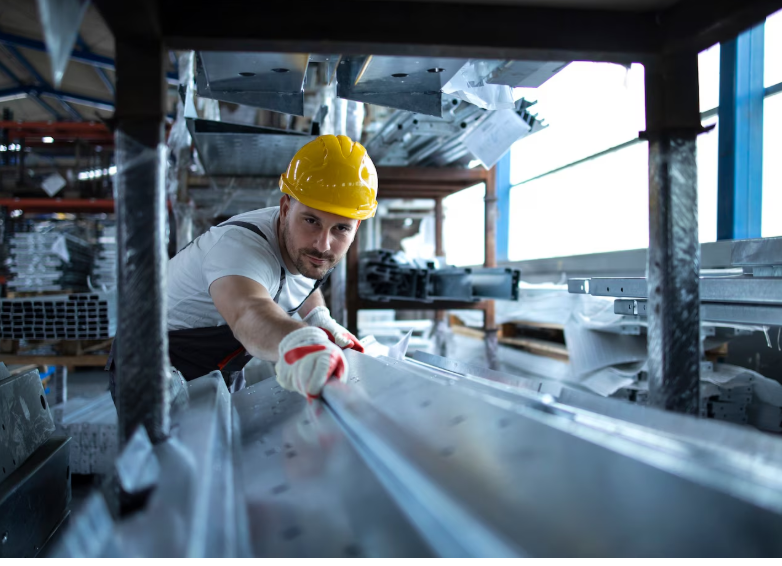
Once materials are selected, fabricators use plasma cutters, press brakes, rollers, and other machinery to shape:
- Center columns (the spine of the spiral)
- Treads and risers (either solid or open designs)
- Handrails and balusters (from sleek tubing to decorative scrollwork)
At this stage, even a fraction of an inch matters. A poorly fabricated tread can throw off the entire alignment of the staircase.
4. Welding & Assembly
Welding is one of the most technical parts of fabrication. A skilled metal spiral staircase fabricator ensures all joints are strong, clean, and precisely aligned. Some staircases are built in sections to ease transport and then welded or bolted together onsite.
Where Craftsmanship Meets Longevity
Beyond aesthetics and customization, quality fabrication directly impacts durability and safety. Spiral staircases must handle repeated load stress and shifting temperatures. Proper fabrication ensures:
- Seamless welds that resist fatigue
- Corrosion-resistant finishes
- Perfectly balanced spirals that remain stable over time
A well-fabricated metal spiral staircase can last decades—and still look stunning.
Elevate Your Space with a Custom Spiral Staircase
Whether you’re renovating a historic property, designing a modern home, or adding access to a rooftop terrace, the quality of your staircase fabrication will show in every detail. When you work with a seasoned metal spiral staircase fabricator like Custom Iron, you’re not just getting a stair—you’re getting a hand-forged work of art.
Contact Custom Iron today to discuss your next spiral staircase project. From concept to final weld, we bring beauty, strength, and precision to every step.