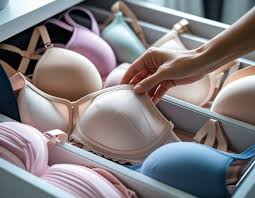
A well-fitting bra provides comfort, support, and confidence throughout the day. However, even the highest-quality bras do not last forever. Over time, daily wear and regular washing gradually weaken their structure. Knowing when to replace your bra helps you maintain proper support and avoid discomfort. Below are the key signs to watch so you can tell when it is time for an upgrade.
Loss of Elasticity and Support
An elastic that is stretched out is one of the clearest signs that you need to get a new bra. There is something wrong with the band if it rides up your back or feels loose even when the hook is tight. The band gives most of the support to the bra, so when it gets weak, the whole fit is bad. If you have to keep adjusting your bra all day, it’s possible that the elastic has worn out.
Straps That Keep Slipping
The bra straps should fit well on your shoulders and not dig in or slip off. If you’ve tried to fix them more than once and they still won’t stay in place, the elasticity may be broken. Straps that are worn out can’t lift and support you as well as they used to. Adjusting can help for a short time, but if your bra keeps slipping, it’s time to get a new one.
Cups That No Longer Fit Properly
Your body can change over time due to weight fluctuations, hormonal changes, or aging. If your cups start gaping, wrinkling, or spilling over, your current bra may no longer be the right size. An ill-fitting cup can cause discomfort and an uneven silhouette under clothing. Checking your fit every few months ensures your bras continue to suit your shape.
Underwire Poking or Bending
Underwire issues are a clear warning sign. If the wire is poking through the fabric or bending out of shape, it can cause irritation and even injury. Once this happens, the bra’s structure is compromised, and repairing it rarely restores full support. Replacing the bra is the safest and most comfortable option.
Fabric Wear and Tear
Inspect your bras regularly for fraying, thinning fabric, or stretched seams. Areas like the underarms and centre panel often wear out first. If the material feels rough, looks faded, or loses its smooth texture, it may start irritating your skin. Visible damage means the bra has reached the end of its lifespan.
You Feel Discomfort Throughout the Day
A good bra should feel almost unnoticeable. If you experience constant pressure, rubbing, or soreness, your bra may no longer be providing the right support. Discomfort often develops gradually, so you may not notice right away. Paying attention to how your bra feels during long days can help you decide when to replace it.
How Often Should You Replace Your Bra?
Bras should be changed about every six to twelve months, but this depends on how often they are worn. If you rotate several bras and wash them gently, they may last longer. Wearing the same bra daily speeds up wear and tear. Owning multiple bras and giving each one a break between wears helps extend their life.
Proper Care to Extend Bra Lifespan
While bras are not meant to last forever, proper care can make them last longer. Hand washing with mild detergent and air drying preserves elasticity. Avoid using hot water or dryers, as heat damages fabric and elastic. Storing bras flat instead of folding the cups also helps maintain their shape.
Finding the Right Replacement
When shopping for a new bra, focus on fit first. Get professionally measured if possible and try on different styles. Brands like Marvell Lane focus on supportive designs that combine comfort with style, making them a great option when upgrading your lingerie drawer. Look for quality materials, sturdy stitching, and a band that fits snugly without digging in.
Final Thoughts
Replacing your bra at the right time improves comfort, posture, and confidence. Watch for signs like stretched elastic, slipping straps, cup fit issues, and visible damage. Regularly assessing your bras and caring for them properly ensures you always have reliable support. When in doubt, trust how your bra feels on your body. Comfort is the best indicator that it is time for a replacement.